


Premature ejaculation (PE) is a common male sexual health concern that can affect confidence, relationships, and overall well-being. Understanding its potential causes is the first step towards better control and appropriate treatment.
1. Mental Health and Performance Anxiety
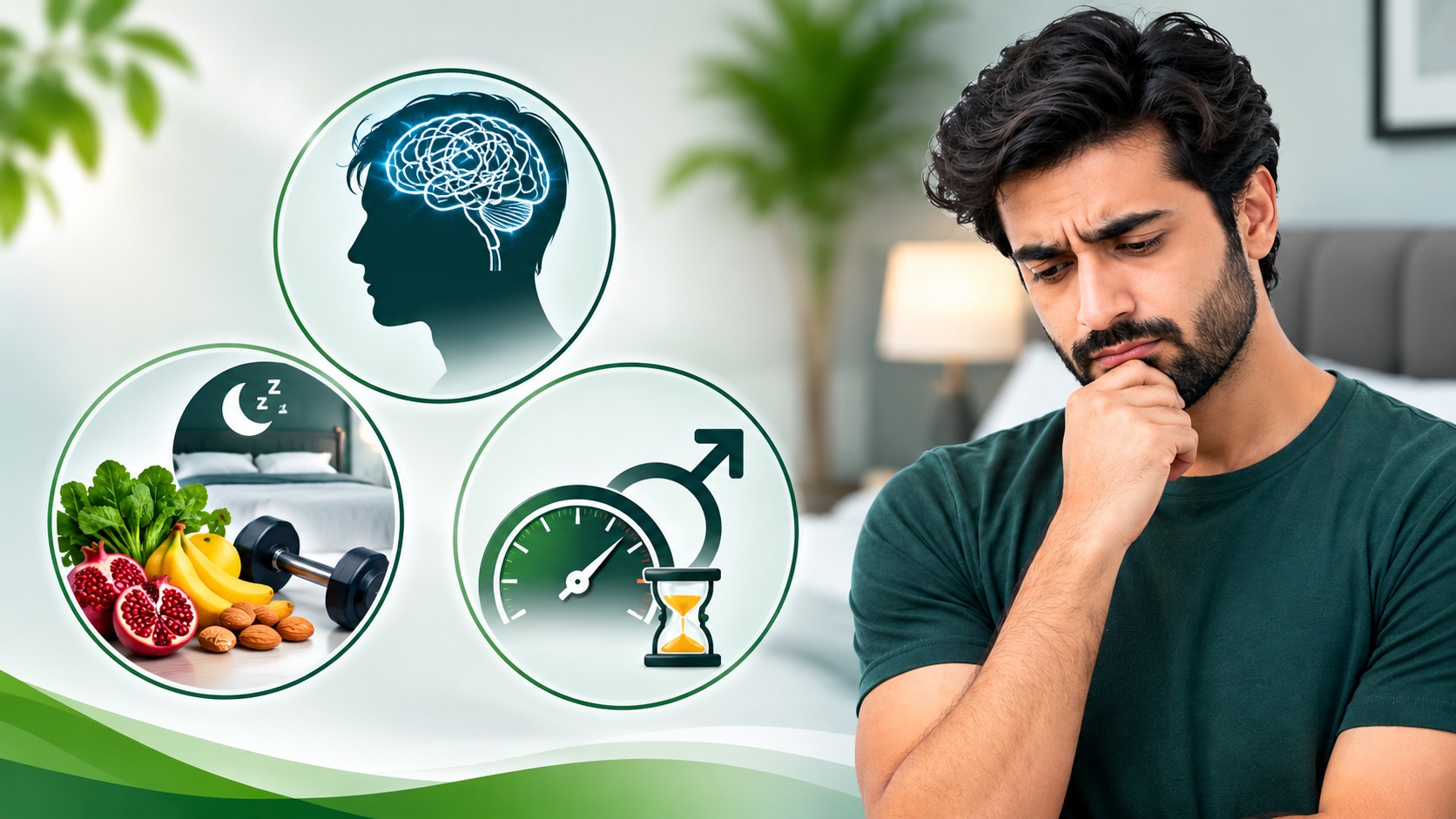
Stress, depression, financial pressure, and fear of poor sexual performance can contribute to premature ejaculation. Anxiety may create a cycle in which worrying about performance makes ejaculatory control even more difficult.
What can help? Stress management, open communication, behavioural techniques, and professional counselling when needed.
2. Diet and Lifestyle
Poor nutrition, lack of sleep, physical inactivity, and excessive sugar consumption can negatively affect overall health. Nutrients such as zinc, magnesium, vitamin D, iron, and vitamin B9 support normal bodily functions, but deficiencies in these nutrients are not established direct causes of premature ejaculation.
What can help? Maintain a balanced diet, exercise regularly, sleep well, and address nutritional deficiencies when confirmed by a healthcare professional.
3. Penile Sensitivity and Ejaculatory Control
Some men experience heightened penile sensitivity or difficulty delaying ejaculation. However, premature ejaculation can have multiple causes, including psychological and biological factors.
What can help? Behavioural techniques and certain medically approved topical anaesthetic creams or sprays may help some men delay ejaculation. Ordinary herbal oils have not been established as equivalent treatments, so choose products carefully and seek professional advice.
Conclusion
Premature ejaculation is common, and suitable management options are available. Understanding your individual needs and choosing evidence-based solutions can help support better sexual well-being.
At Gel Nutrition, we believe good health starts with good nutrition.
Medical disclaimer: This article is for educational purposes and does not replace professional medical advice.
Gel Nutrition — Powered by Nature. Guided by Science.